By The Time It Shows Up… It’s Gone
Week ending Friday 1 May 2026
Most people wait for the data.
It feels sensible.
Measured.
Safe.
The problem is…
the data is a record.
Not a warning.
Like a Richter scale -
it tells you the earthquake’s magnitude…
after the ground has already shifted.
The great ice hockey player Wayne Gretzky once said:
“I skate to where the puck is going to be, not where it was.”
In property, that sounds obvious.
In practice, almost no one does it.
There’s been much talk about inflation figures and rate rises this week. But everything we’re being shown right now - inflation, rates, price movements -
is the scoreboard after the final whistle.
The players have left the field and they’re already warming up for the next game.
Because markets don’t move when the data is released.
They move when something changes.
The data then tends to agree…
eventually.
Like a blood test -
it confirms what the symptoms were already telling you.
That’s what’s happening now.
The CPI (that measures inflation) came in “not as bad as feared.”
At the same time:
mortgage stress is rising
household buffers are shrinking
sales volumes are slowing
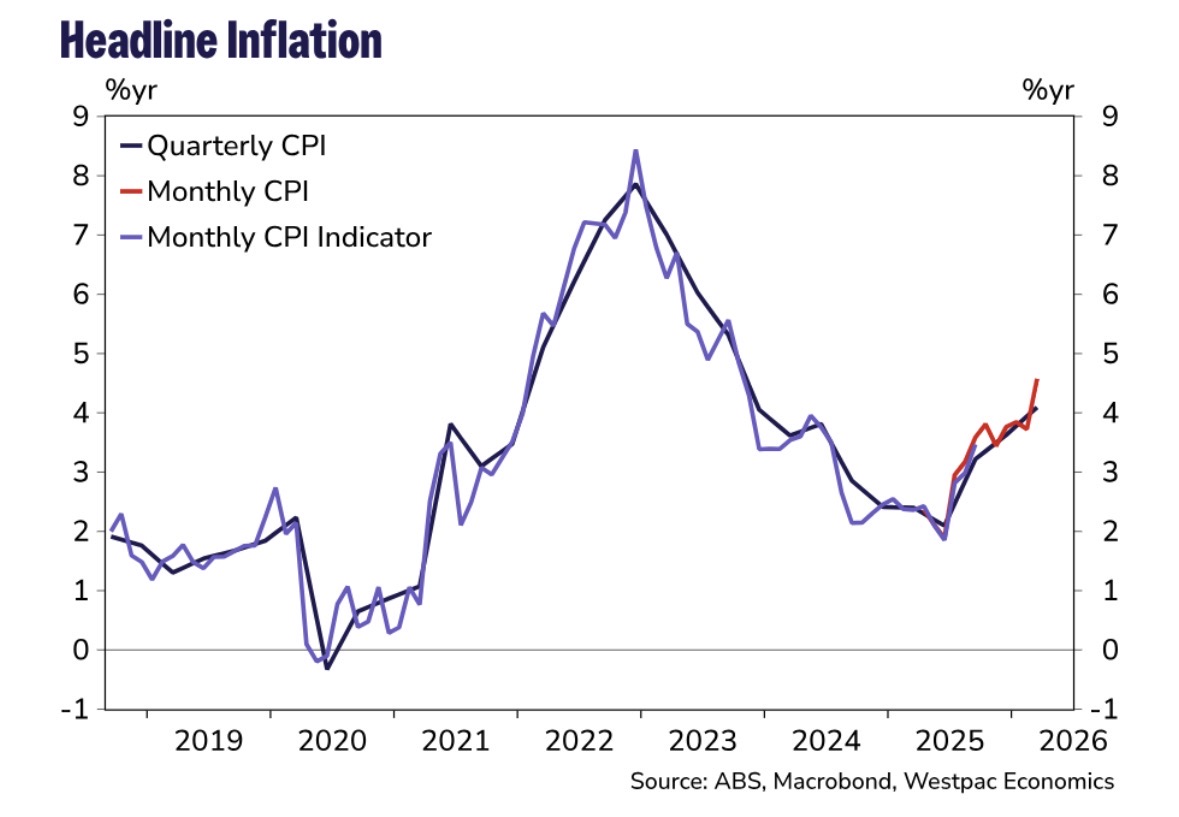
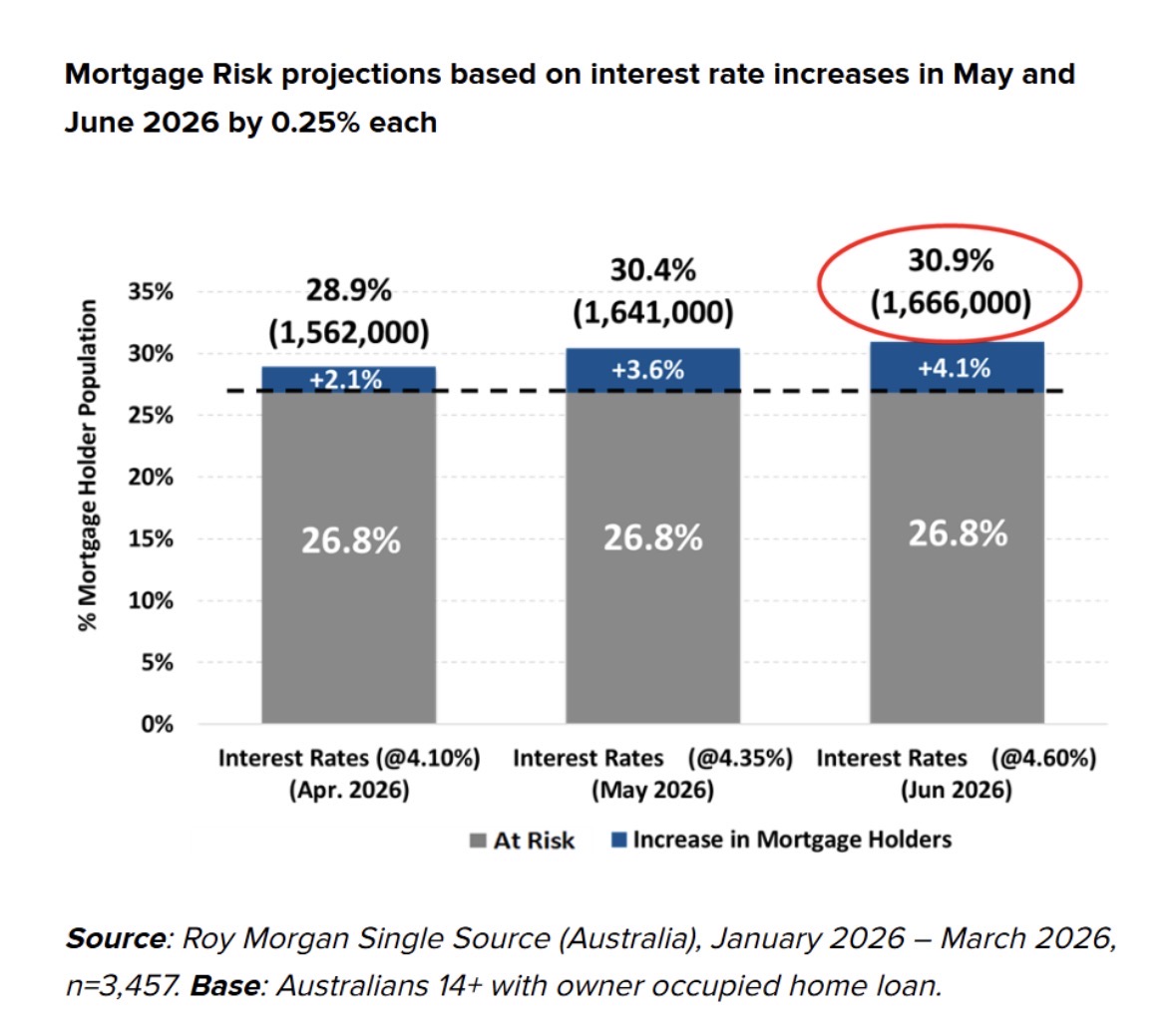
Both are true.
They just exist on different timelines.
The Gap Where Deals Sit
There’s always a gap.
Between:
what the data says
and what people are starting to feel
That gap is where pricing errors appear.
Right now, you can see it forming.
Not in prices yet
But in behaviour.
What Changes First
Not prices.
Not headlines.
Not sentiment surveys.
It actually all starts smaller than that.
Early Behavioural Shifts
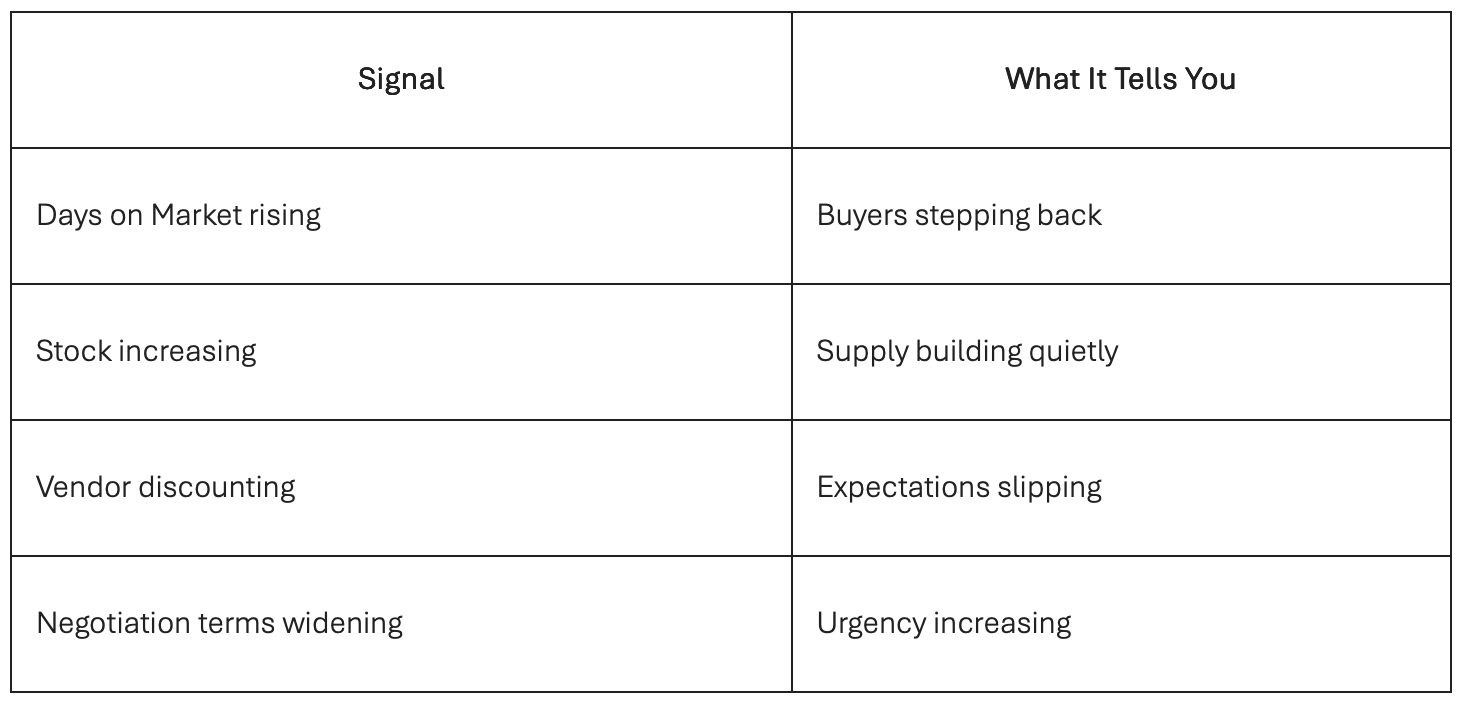
These move first.
Prices follow later.
A Small Example
You’ll see suburbs where:
prices look “flat”
but time on market has blown out
listings are growing
and agents are suddenly open to terms
SUBURB SNAPSHOT — Campbelltown, NSW
(Source: Proptix)
Investor pressure: 76 / 100 (High)
Market liquidity pressure: 92 / 100
Days on market: +10 days
Economic resilience: Low (SEIFA)
Prices haven’t moved yet.
But everything else has.
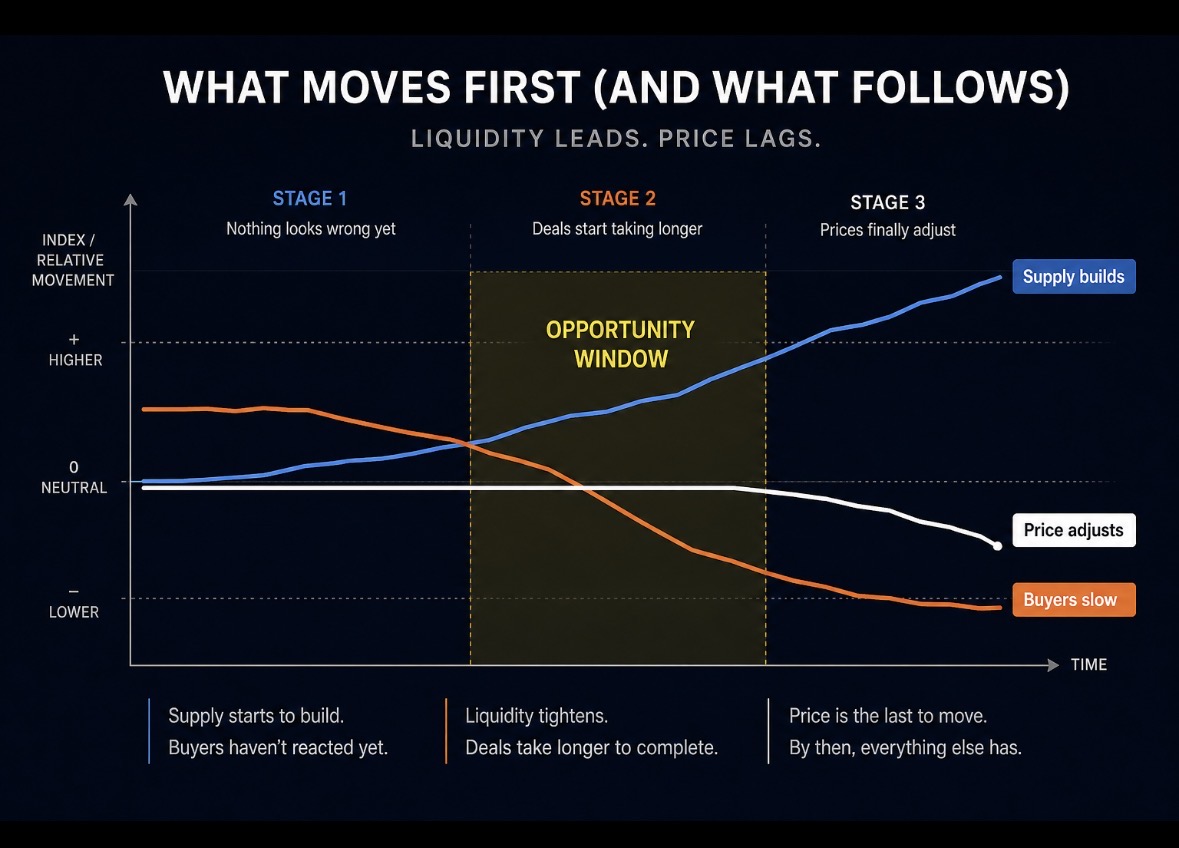
Time stretches.
Stock builds.
Buyers slow.
Behaviour shifts first.
Then price follows.
It’s easy to miss at this stage.
So most people cool their heels waiting for:
price drops
headlines
confirmation
But by then, the adjustment is already underway.
And the competition arrives with it.
The Quiet Shift Happening Now
Sydney and Melbourne are starting to soften.
Not dramatically.
Just enough:
Less liquidity, more hesitation - early pressure.
This is how it starts.
Not with a crash. With a mismatch.
The Part Most People Get Backwards
People think:
“When prices fall, I’ll act.”
But that is a delayed signal - by the time prices fall clearly:
vendors have adjusted
buyers have returned
competition increases
Your edge is earlier than that.
The Operator’s Edge
You don’t wait for the signal to be obvious.
You look for where it’s starting to form.
That will not be a headline.
It surfaces as a pattern.
And right now, those patterns are showing up below the radar.
